SWIPE›
Contemporary jazz shaped by a personal journey across the US, Argentina and Spain — lyrical writing, collective improvisation, and an intimate, emotionally driven sound inspired by today’s New York scene.
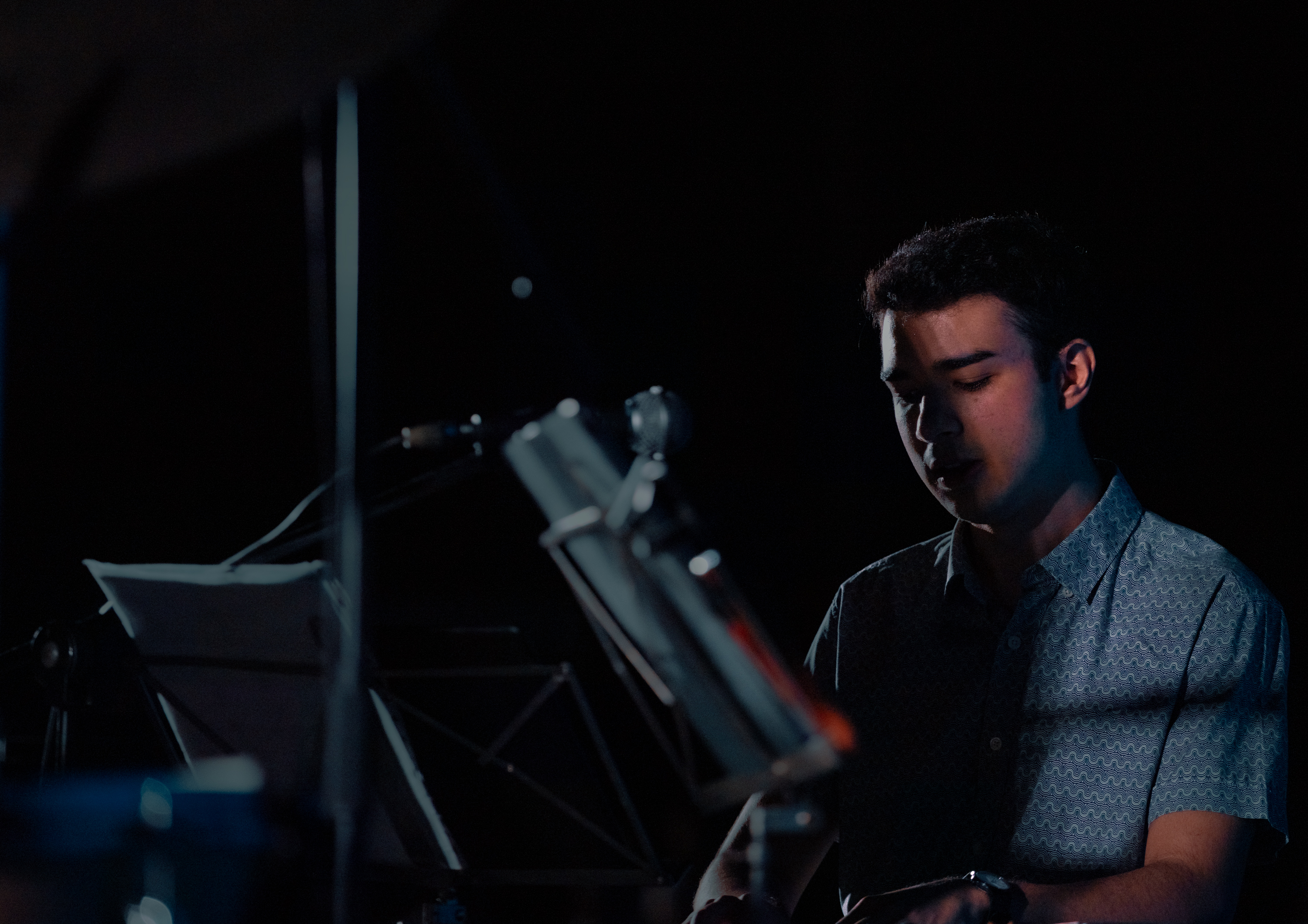
Frantzes Elzaurdia (2002) is a pianist, composer and bandleader based in Madrid.
Born in the United States and raised between the United States, Argentina and Spain, his music reflects a personal journey shaped by movement, memories and cultural exchange.
Influenced by musicians such as Immanuel Wilkins, Ambrose Akinmusire and Sullivan Fortner, his original compositions combine modern jazz language with memorable melodies and collective improvisation.
He has collaborated with musicians including Michael Olivera, Inoidel González and Álvaro del Valle, and leads a quartet selected as a finalist in the Festival Internacional de Jazz Ciudad de Talavera Young Jazz Musicians Competition among more than 120 applicants.
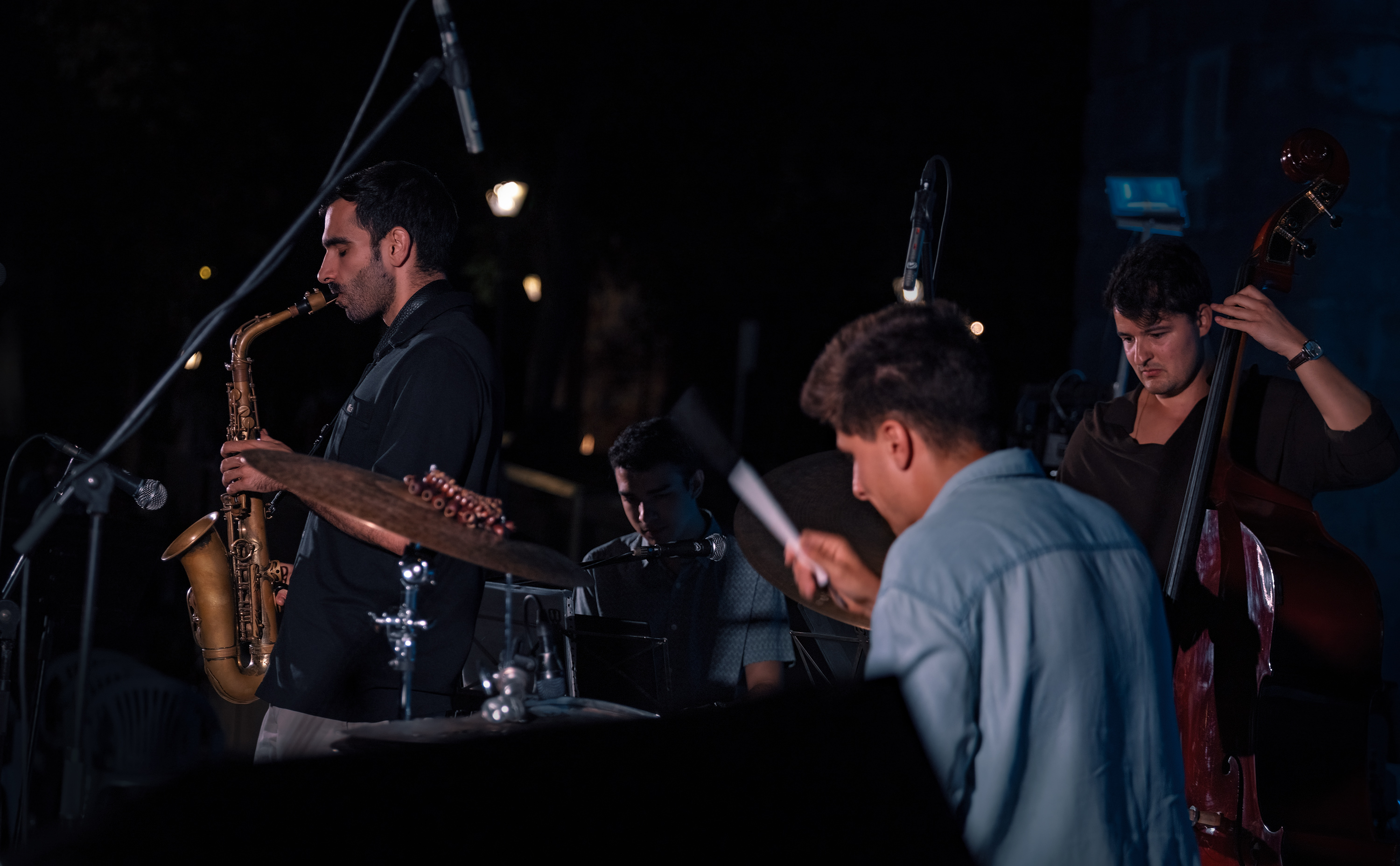
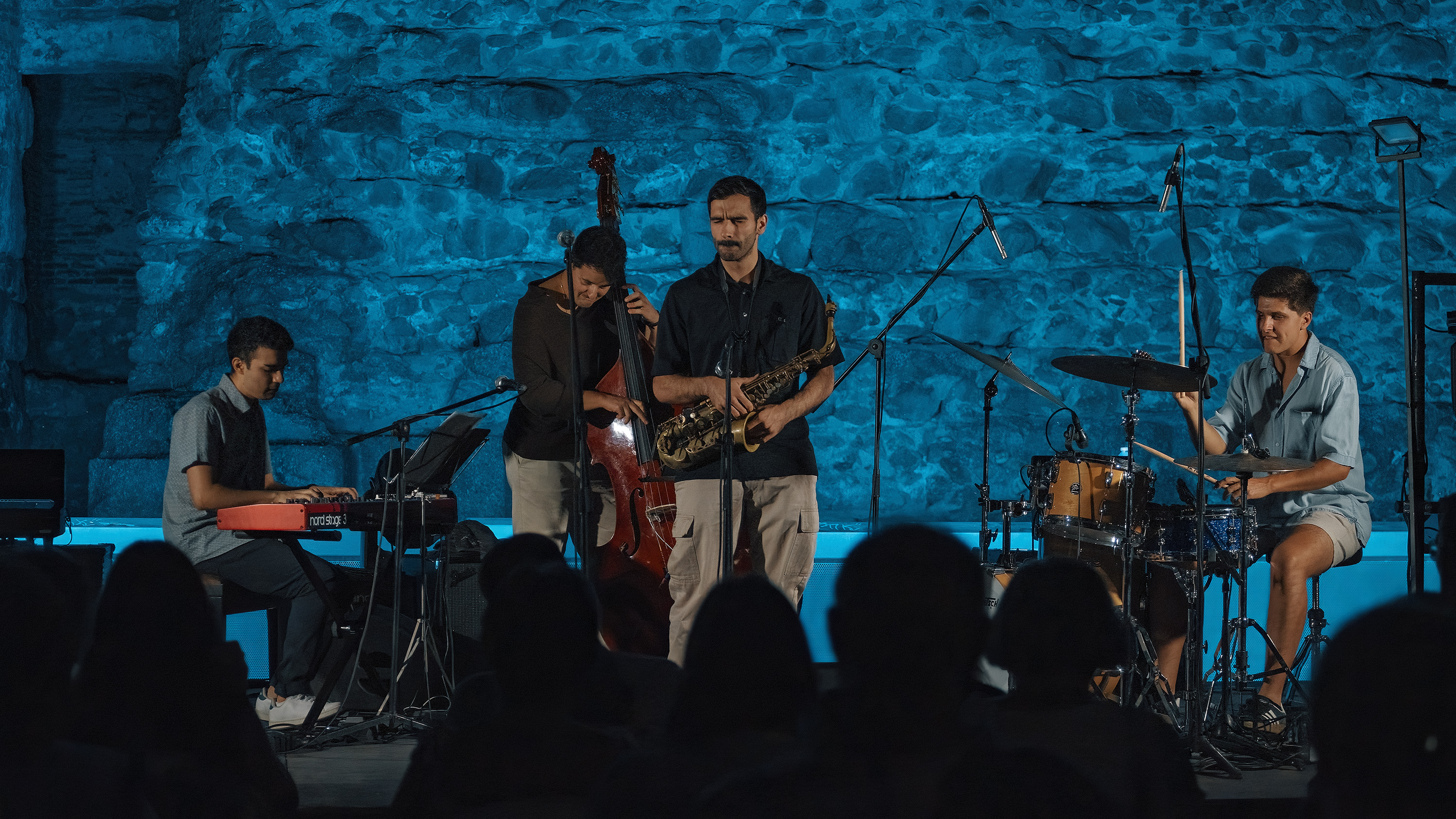
The Frantzes Elzaurdia Quartet performs entirely original music.
The group’s sound draws inspiration from today’s New York jazz scene while developing a distinctive voice rooted in the shared experiences of its members.
Each performance balances structured compositions with open improvisation, allowing the music to evolve naturally through interaction.
Finalist: Festival Internacional de Jazz Ciudad de Talavera competition
120+ tickets sold in their previous Jazz Con Sabor a Club JazzMadrid concert
“The Frantzes Elzaurdia Quartet bets on a repertoire of original contemporary jazz compositions in a highly solvent acoustic quartet format. Selected from 120 bands, they are one of the three finalists of the ‘Ciudad de Talavera’ International Competition for Young Jazz Musicians.”
Additional higher-resolution promotional photographs are available upon request.
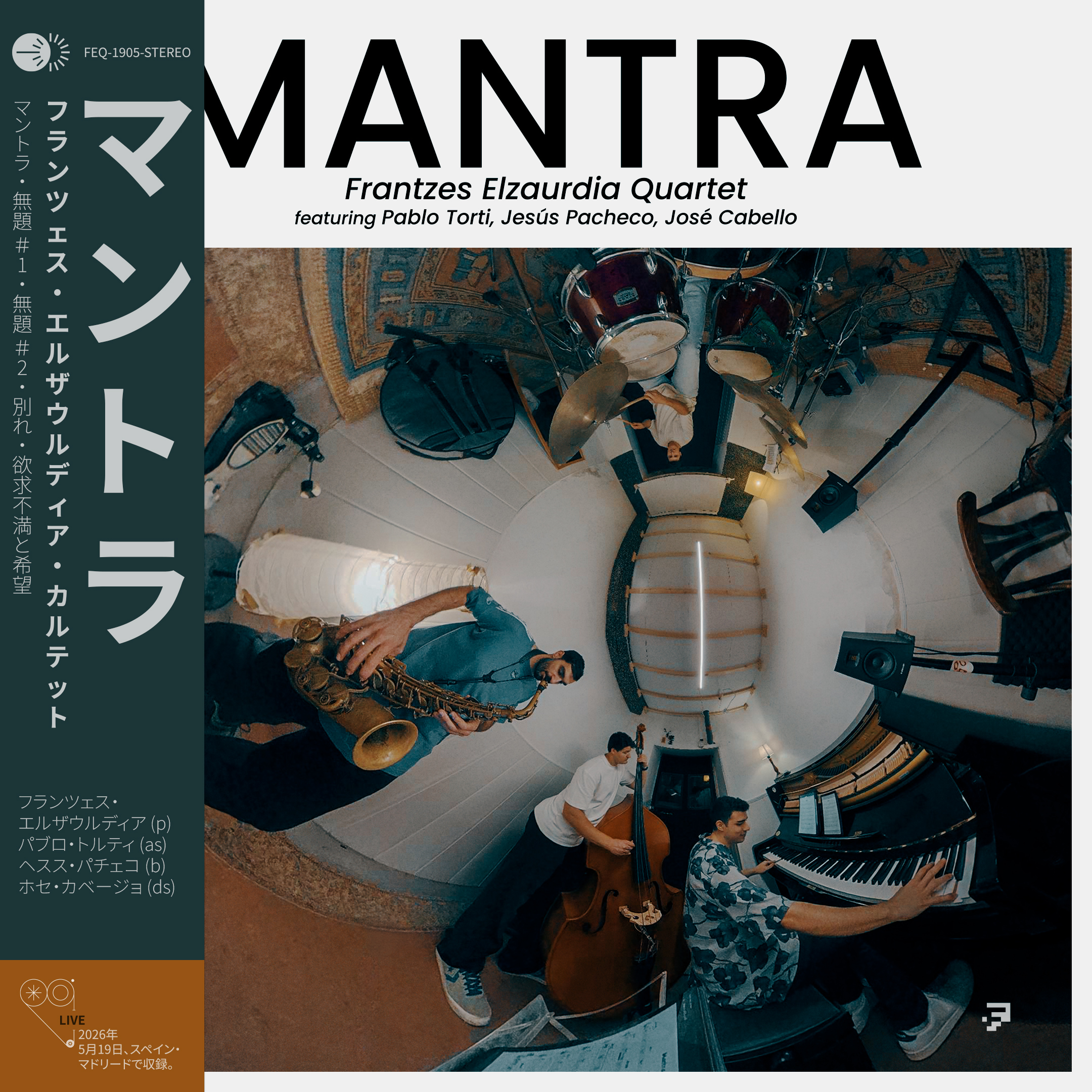
Recorded live in Madrid, it captures the band’s natural chemistry and spontaneous interaction through five original compositions exploring memories, friendship and yearning.
Rather than presenting a polished studio production, the recording reflects the quartet’s raw live sound: conversational, energetic and emotionally direct.
“The most interesting thing about Mantra lies not only in what it reveals, but in what it suggests. The album presents solid compositional ideas and an already recognizable aesthetic identity, framed in a clear desire for exploration. In jazz, where improvisation turns every performance into a unique event, spontaneity is an essential part of the language, and here it is naturally integrated throughout the work. The result is an evolving proposition, consistent and promising enough to follow the quartet’s trajectory with attention.”